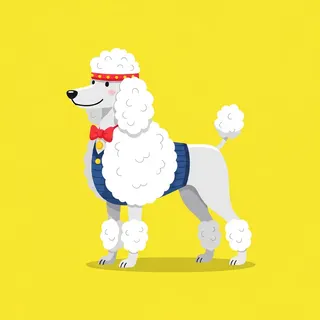
Standard Poodle dog for a pet insurance guide
Dog Breed
Medium Insurance Risk

Standard Poodle

For a Standard Poodle, a useful insurance comparison starts with the kinds of care a policy would need to pay for—not just a monthly price. Compare long-term hormone replacement and laboratory monitoring for Addison's disease with emergency GDV surgery. These represent recurring-care and acute-care demands, not interchangeable benefits. The conditions below are discussion prompts, not a prevalence ranking or a prediction about an individual pet. Our editorial risk label is not an actuarial score; your veterinarian can help interpret your pet's history and any screening results.

$35–$75 USD
Avg Monthly Premium
4
Common Conditions
Medium
Risk Level
Currency:

The short version

Planning care for a Standard Poodle: practical coverage questions

Addison's disease: Compare emergency stabilization, hormone medication, repeat electrolyte tests and chronic-condition renewal provisions. Bloat (GDV): Check emergency hospitalization and surgery limits; ask separately whether preventive gastropexy is excluded or needs an optional benefit. Keep routine preventive care in a separate budget unless the policy explicitly includes it.

Why insurance details matter for this breed

Compare long-term hormone replacement and laboratory monitoring for Addison's disease with emergency GDV surgery. These represent recurring-care and acute-care demands, not interchangeable benefits. Request the current policy wording and a written explanation of any exclusion that could affect your pet.

Standard Poodle pet insurancebest pet insurance for Standard PoodleStandard Poodle insurance costStandard Poodle health conditions

A veterinarian and dog owner discussing preventive care

Care snapshot

Plan for the ordinary visits, too

Insurance is most useful when it fits the whole life of your dog—not just a dramatic emergency. For a Standard Poodle, ask how the plan handles exams, diagnostics, medication, specialist referrals, and the follow-up care connected to addison's disease.

Preventive examsDiagnosticsSpecialist care

Common Health Conditions

Educational information only—not a diagnosis or veterinary advice. This list includes conditions and care considerations, not a prevalence ranking. The linked references explain the conditions; they do not establish every listed breed association. Consult a licensed veterinarian about your pet's history, symptoms, screening, and treatment.

1

Addison's disease

Insufficient adrenal hormones can cause intermittent digestive signs, weakness or a life-threatening crisis. Bloodwork and an ACTH stimulation test help diagnose it; hormone replacement and monitoring may be lifelong. Compare emergency stabilization, hormone medication, repeat electrolyte tests and chronic-condition renewal provisions.

2

Bloat (GDV)

Stomach distension can occur with or without twisting. Gastric dilatation-volvulus (GDV) compromises circulation and is an emergency that can require immediate stabilization and surgery. Check emergency hospitalization and surgery limits; ask separately whether preventive gastropexy is excluded or needs an optional benefit.

3

Hip dysplasia

A poorly fitting hip joint can develop instability, pain and arthritis. Examination and X-rays help assess the problem; treatment may involve weight management, pain relief, rehabilitation or surgery. Compare orthopedic waiting periods, bilateral exclusions, imaging, surgery and rehabilitation benefits.

4

Progressive retinal atrophy

Inherited degeneration of retinal cells gradually reduces vision, often first in dim light. Eye examinations and relevant genetic tests can help identify it; there is no established cure for PRA itself. Ask about hereditary eye diagnostics and specialist visits; do not equate genetic screening benefits with treatment coverage.

Health information sources

Condition summaries are paired with veterinary and breed-health references below. Sources provide general education, not individualized medical advice; links open in a new tab. Have a licensed veterinarian review health guidance before relying on it for a pet's care.

Fine Print Warnings for Standard Poodles

Things most owners don't discover until claim time:

Bloat (GDV) is a serious large-dog emergency. Confirm that emergency hospitalization and surgery are covered.

Addison's disease often requires ongoing care; compare chronic-condition limits, medication benefits, and exclusions.

Progressive retinal atrophy may be classified as hereditary; look for clear hereditary-condition coverage language.

Your comparison checklist

Questions to ask before insuring a Standard Poodle

Use these prompts when you compare quotes. Coverage is policy-specific and can change by province, state, age, and medical history.

Addison's disease: Compare emergency stabilization, hormone medication, repeat electrolyte tests and chronic-condition renewal provisions.
Bloat (GDV): Check emergency hospitalization and surgery limits; ask separately whether preventive gastropexy is excluded or needs an optional benefit.
Compare annual limits, deductibles, reimbursement rates, and per-condition caps together.
Ask whether exam fees, diagnostics, prescription medication, and rehabilitation are included.
Read the pre-existing-condition and bilateral-condition definitions before enrolling.

🇺🇸 Top US Plans for Standard Poodles

Based on coverage of this breed's top conditions

H
Healthy PawsEditor's Choice#1 Pick

$15–$90/mo USD · 80% reimbursement

9.8
Score
T
TrupanionBest Direct-Pay

$30–$100/mo USD · 90% reimbursement

9.5
Score
E
EmbraceBest Wellness Add-on

$13–$100/mo USD · 70–90% reimbursement

9.4
Score
Compare all US plans

Owner perspective

What feels different about insuring a Standard Poodle

“When comparing Standard Poodle coverage, I would ask about Addison's disease and Bloat (GDV) separately, rather than assuming a headline benefit includes every test or treatment.”

Illustrative Standard Poodle owner perspective · editorial example, not a verified customer review

Answers for pet parents

Standard Poodle pet insurance FAQs

Is pet insurance worth it for a Standard Poodle?+

The decision depends on your budget, your pet's age and history, and the care included in the plan. Compare long-term hormone replacement and laboratory monitoring for Addison's disease with emergency GDV surgery. These represent recurring-care and acute-care demands, not interchangeable benefits. Compare an actual quote and policy with the amount you could comfortably pay yourself.

Does pet insurance cover Addison's disease in a Standard Poodle?+

It may if the condition is eligible, is not pre-existing, and appears after the relevant waiting period. Compare emergency stabilization, hormone medication, repeat electrolyte tests and chronic-condition renewal provisions. Policies differ, so obtain the insurer's current wording rather than assuming breed-related care is automatically covered.

How much does Standard Poodle pet insurance cost?+

The editorial planning range for a Standard Poodle is $35–$75 per month, not a personalized or guaranteed quote. Age, location, deductible, reimbursement rate, annual limit and insurer can change the price. Get current quotes with matching benefits.

What should Standard Poodle owners ask about Bloat (GDV)?+

Check emergency hospitalization and surgery limits; ask separately whether preventive gastropexy is excluded or needs an optional benefit. Also ask whether related symptoms in the existing medical record could trigger a pre-existing-condition exclusion, even without a formal diagnosis.

🇨🇦 Top Canada Plans for Standard Poodles

Based on coverage of this breed's top conditions

T
TrupanionBest Direct-Pay#1 CA Pick

$30–$100/mo USD · 90% reimbursement

9.5
Score
P
PetsecureCanada's #1

$30–$100/mo USD · 80% reimbursement

9.2
Score
F
Fetch (Petplan CA)Most Comprehensive CA

$40–$120/mo USD · 70–90% reimbursement

9
Score
Compare all Canada plans