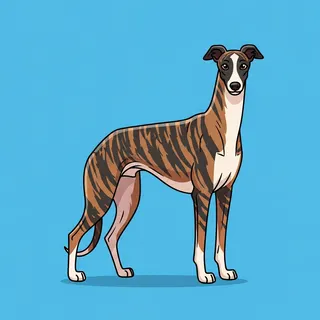
Greyhound dog for a pet insurance guide
Dog Breed
Medium Insurance Risk

Greyhound

For a Greyhound, a useful insurance comparison starts with the kinds of care a policy would need to pay for—not just a monthly price. Ask how individualized anesthetic planning and recovery monitoring are handled for a covered procedure. Compare those with bone-cancer staging, thyroid assessment and emergency gastric care. The conditions below are discussion prompts, not a prevalence ranking or a prediction about an individual pet. Our editorial risk label is not an actuarial score; your veterinarian can help interpret your pet's history and any screening results.

$35–$70 USD
Avg Monthly Premium
4
Common Conditions
Medium
Risk Level
Currency:

The short version

Planning care for a Greyhound: practical coverage questions

Osteosarcoma: Compare oncology referral, staging scans, amputation or other surgery, chemotherapy and palliative-care benefits. Bloat: Check emergency hospitalization and surgery limits; ask separately whether preventive gastropexy is excluded or needs an optional benefit. Keep routine preventive care in a separate budget unless the policy explicitly includes it.

Why insurance details matter for this breed

Ask how individualized anesthetic planning and recovery monitoring are handled for a covered procedure. Compare those with bone-cancer staging, thyroid assessment and emergency gastric care. Request the current policy wording and a written explanation of any exclusion that could affect your pet.

Greyhound pet insurancebest pet insurance for GreyhoundGreyhound insurance costGreyhound health conditions
A veterinarian and dog owner discussing preventive care

Care snapshot

Plan for the ordinary visits, too

Insurance is most useful when it fits the whole life of your dog—not just a dramatic emergency. For a Greyhound, ask how the plan handles exams, diagnostics, medication, specialist referrals, and the follow-up care connected to osteosarcoma.

Preventive examsDiagnosticsSpecialist care

Common Health Conditions

Educational information only—not a diagnosis or veterinary advice. This list includes conditions and care considerations, not a prevalence ranking. The linked references explain the conditions; they do not establish every listed breed association. Consult a licensed veterinarian about your pet's history, symptoms, screening, and treatment.

1

Osteosarcoma

This malignant bone tumor can cause persistent pain or lameness. X-rays, tissue sampling and staging tests guide decisions about surgery, chemotherapy and pain control. Compare oncology referral, staging scans, amputation or other surgery, chemotherapy and palliative-care benefits.

2

Bloat

Stomach distension can occur with or without twisting. Gastric dilatation-volvulus (GDV) compromises circulation and is an emergency that can require immediate stabilization and surgery. Check emergency hospitalization and surgery limits; ask separately whether preventive gastropexy is excluded or needs an optional benefit.

3

Hypothyroidism

Insufficient thyroid hormone can cause lethargy, weight gain and coat changes. Diagnosis uses clinical findings and thyroid testing; treatment typically involves replacement hormone with repeat blood tests. Compare recurring laboratory costs, prescription coverage and exclusions tied to symptoms before diagnosis.

4

Anesthesia sensitivity

Drug handling varies between dogs and between anesthetic agents. A history of slow recovery or an adverse reaction should inform an individualized veterinary anesthetic plan; the label does not mean all anesthesia is unsafe. Ask about pre-anesthetic tests, monitoring and treatment of complications for an otherwise covered procedure.

Health information sources

Condition summaries are paired with veterinary and breed-health references below. Sources provide general education, not individualized medical advice; links open in a new tab. Have a licensed veterinarian review health guidance before relying on it for a pet's care.

Fine Print Warnings for Greyhounds

Things most owners don't discover until claim time:

Check for bilateral-condition clauses; coverage for one side may affect a later claim on the other.

Pre-existing-condition definitions vary, including how prior symptoms, treatment, and related conditions are grouped.

Waiting periods vary by insurer and benefit; check the policy's illness, orthopedic, and accident periods.

Your comparison checklist

Questions to ask before insuring a Greyhound

Use these prompts when you compare quotes. Coverage is policy-specific and can change by province, state, age, and medical history.

Osteosarcoma: Compare oncology referral, staging scans, amputation or other surgery, chemotherapy and palliative-care benefits.
Bloat: Check emergency hospitalization and surgery limits; ask separately whether preventive gastropexy is excluded or needs an optional benefit.
Compare annual limits, deductibles, reimbursement rates, and per-condition caps together.
Ask whether exam fees, diagnostics, prescription medication, and rehabilitation are included.
Read the pre-existing-condition and bilateral-condition definitions before enrolling.

🇺🇸 Top US Plans for Greyhounds

Based on coverage of this breed's top conditions

H
Healthy PawsEditor's Choice#1 Pick

$15–$90/mo USD · 80% reimbursement

9.8
Score
T
TrupanionBest Direct-Pay

$30–$100/mo USD · 90% reimbursement

9.5
Score
E
EmbraceBest Wellness Add-on

$13–$100/mo USD · 70–90% reimbursement

9.4
Score
Compare all US plans

Owner perspective

What feels different about insuring a Greyhound

“When comparing Greyhound coverage, I would ask about Osteosarcoma and Bloat separately, rather than assuming a headline benefit includes every test or treatment.”

Illustrative Greyhound owner perspective · editorial example, not a verified customer review

Answers for pet parents

Greyhound pet insurance FAQs

Is pet insurance worth it for a Greyhound?+

The decision depends on your budget, your pet's age and history, and the care included in the plan. Ask how individualized anesthetic planning and recovery monitoring are handled for a covered procedure. Compare those with bone-cancer staging, thyroid assessment and emergency gastric care. Compare an actual quote and policy with the amount you could comfortably pay yourself.

Does pet insurance cover Osteosarcoma in a Greyhound?+

It may if the condition is eligible, is not pre-existing, and appears after the relevant waiting period. Compare oncology referral, staging scans, amputation or other surgery, chemotherapy and palliative-care benefits. Policies differ, so obtain the insurer's current wording rather than assuming breed-related care is automatically covered.

How much does Greyhound pet insurance cost?+

The editorial planning range for a Greyhound is $35–$70 per month, not a personalized or guaranteed quote. Age, location, deductible, reimbursement rate, annual limit and insurer can change the price. Get current quotes with matching benefits.

What should Greyhound owners ask about Bloat?+

Check emergency hospitalization and surgery limits; ask separately whether preventive gastropexy is excluded or needs an optional benefit. Also ask whether related symptoms in the existing medical record could trigger a pre-existing-condition exclusion, even without a formal diagnosis.

🇨🇦 Top Canada Plans for Greyhounds

Based on coverage of this breed's top conditions

T
TrupanionBest Direct-Pay#1 CA Pick

$30–$100/mo USD · 90% reimbursement

9.5
Score
P
PetsecureCanada's #1

$30–$100/mo USD · 80% reimbursement

9.2
Score
F
Fetch (Petplan CA)Most Comprehensive CA

$40–$120/mo USD · 70–90% reimbursement

9
Score
Compare all Canada plans